Common Screen Installation Mistakes: Expert Guide to Avoid Errors
The architectural interface between indoor living environments and the exterior climate relies heavily on insect screens and specialized mesh assemblies to regulate ventilation, insect intrusion, and solar radiation. While window and door screens appear deceptively simple, their installation involves precise mechanical tolerances, tension distribution, and frame squareness. When DIY installers or inexperienced contractors overlook these foundational installation parameters, screens buckle, frames warp, and premature failure ensues.
Evaluating screen installation requires understanding that a screen mesh is an active structural element under continuous tension. Over-tensioning can distort aluminum frame corners, whereas under-tensioning results in sagging, loose fabric that fails to repel insects and looks visually unappealing. Many property owners mistakenly assume that screen replacement requires nothing more than rolling a piece of mesh into a groove with a spline tool. Consequently, ignoring spline gauge selection, frame bowing, and miter joint integrity leads to frustrating callbacks and repeated material purchases.
Mastering the technical and practical details of screen installation requires an exhaustive synthesis of material science, hardware calibration, and mechanical dexterity. Whether dealing with traditional fiberglass mesh, heavy-duty pet screens, solar-blocking fabrics, or large-format retractable patio screens, each system demands a distinct operational approach. Recognizing the systemic nature of these variables ensures that insect screens remain functional, taut, and visually clean across seasons without succumbing to premature degradation or mechanical failure.
Understanding “common screen installation mistakes”

The Core Mechanics of Screen Assembly Failures
The primary objective of evaluating common screen installation mistakes is to isolate the physical, mechanical, and human errors that compromise screen longevity and performance. On unmanaged projects, installers frequently commit critical mechanical mistakes. For instance, they roll spline into channels without squaring the frame first, causing the entire aluminum extrusion to parallelogram and twist. This geometric distortion prevents the finished screen from fitting snugly into the window or door opening. Furthermore, a frequent miscalculation involves using incorrect spline diameters relative to the spline groove width and mesh thickness. In reality, an oversized spline damages the mesh or splits the aluminum channel, while an undersized spline fails to secure the fabric under wind loads.
Tension Dynamics and Material Stress
Understanding the full scope of common screen installation mistakes requires analyzing how tension forces interact with different mesh materials. Fiberglass mesh behaves differently than polyester-coated pet screen or stiff aluminum wire. Installers who apply uniform, excessive force across all fabric types inevitably stretch the material past its elastic limit, causing permanent ripples or tearing along the spline groove. Additionally, failing to maintain consistent pull direction while rolling the spline results in skewed threads that distort the visual clarity of the view through the window.
Environmental Exposure and Sizing Precision
Another subtle dimension of common screen installation mistakes involves ignoring thermal expansion coefficients and opening tolerances. Aluminum frames expand and contract under fluctuating outdoor temperatures. If a screen is measured too tightly into a tight wooden or vinyl opening without allowances for hardware clearance, it will bind or warp. Comprehensive installation planning demands precise measuring, careful squareness checks, and appropriate spline selection to ensure long-term operational success.
Deep Contextual Background: The Evolution of Screen Installation Practices
Historical Materials and Traditional Craftsmanship
The historical trajectory of insect screening reflects a continuous transition from rudimentary woven wire meshes toward engineered polymer composites. During early architectural epochs, window screens utilized galvanized iron or bronze wire tacked directly into wooden sub-frames. These early screens were heavy, susceptible to rust, and lacked interchangeable spline channels. Installing them required precise hand-tacking, staple stretching, and frequent application of protective paint to prevent corrosion.
The Rise of Extruded Aluminum and Vinyl Splines
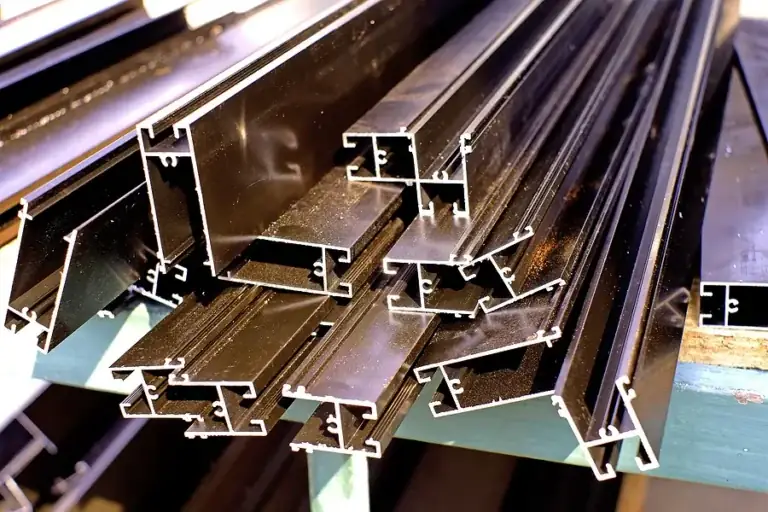
As industrial manufacturing advanced through the mid-twentieth century, lightweight roll-formed aluminum frame extrusions and flexible vinyl splines revolutionized the industry. The invention of the convex and concave spline rolling tool allowed technicians to quickly press mesh into extruded channels. However, this shift toward speed and standardization also introduced new vulnerabilities, as mass-produced aluminum frames became thinner, more flexible, and highly prone to bowing under improper tensioning forces.
Modern Specialty Fabrics and Advanced Engineering
The contemporary screening landscape has evolved to encompass specialized products, including ultra-dense insect mesh, solar radiation-blocking screens, high-durability pet-resistant vinyl-coated polyester, and large motorized retractable systems. Understanding this historical and technological evolution helps modern technicians recognize that screen installation is no longer a casual chore, but a precise trade requiring specialized knowledge of material tension, frame physics, and hardware compatibility.
Conceptual Frameworks and Mental Models
Navigating the mechanical nuances of screen installation requires robust mental models that translate physical forces into disciplined fabrication techniques.
1. The Vector Tension Equilibrium Model
This mental model establishes that mesh must be pulled in balanced orthogonal vectors. Pulling too hard in the warp direction while neglecting the weft direction creates diagonal wrinkles that cannot be corrected once the spline is fully seated.
2. The Frame Flexure and Bowing Index
Extruded aluminum screen frames are surprisingly flexible. This model evaluates how rolling pressure bends the opposing sides inward toward the center of the frame, meaning that uncorrected rolling tension will always result in a bowed, hourglass-shaped frame.
3. The Spline-to-Channel Clearance Ratio
Selecting the correct spline is a matter of geometric clearance: channel width minus twice the mesh thickness equals the ideal spline diameter. This model prevents technicians from forcing oversized rubber cords into narrow grooves, which shears the mesh threads.
4. The Thermal Expansion Tolerance Loop
Materials expand under solar radiation. This mental model dictates that custom window screens must include minute installation tolerances to prevent binding inside window channels during peak summer heat cycles.
Key Categories or Variations of Screen Installation Systems
Different frame materials, mesh types, and opening designs require distinct installation methodologies, directly influencing how technicians avoid common screen installation mistakes.
| Screen System Type | Primary Installation Advantage | Main Installation Pitfall | Optimal Operational Context |
| Standard Aluminum Frame with Fiberglass Mesh | Lightweight, cost-effective, easy to cut and assemble | Frame bowing due to over-tensioning during spline rolling | Residential double-hung and casement windows |
| Heavy-Duty Pet Screen Assemblies | Exceptional puncture resistance against claws and teeth | Extremely stiff fabric that resists standard rolling tools and stretches channels | Screen doors, lower porch panels, and pet-heavy homes |
| Solar Control / Sun-Shading Screens | Blocks up to 90% of solar heat and UV radiation | Dense weave reduces outward visibility and requires precise tension control to avoid wavy lines | South- and west-facing windows exposed to intense solar heat gain |
| Roll-Formed vs. Extruded Aluminum Frames | Extruded frames offer superior rigidity against high wind pressures | Roll-formed frames easily crush or twist if miter corners are poorly secured | Commercial structures and high-wind coastal residential properties |
| Retractable Large-Opening Screen Systems | Disappears into housing canister when not in use | Complex spring tensioning and track alignment errors cause binding | Large sliding glass doors, lanais, and architectural patio openings |
| Fixed Frameless Screen Clips | Clean modern aesthetic without visible exterior frames | Inaccurate measuring leads to glass breakage or loose rattling panels | Modern minimalist architecture and commercial storefronts |
Strategic Decision Logic for System Selection
-
Analyze Environmental Exposure: Assess wind loads, pet traffic, and solar intensity to select the appropriate mesh weight and frame rigidity.
-
Verify Frame Squareness: Always measure diagonal corners of the frame opening to ensure 90-degree squareness before cutting mesh and rolling spline.
-
Match Hardware Tolerances: Ensure corner inserts, pull tabs, and tension springs match the exact millimeter dimensions of the extrusion channel profile.
Detailed Real-World Scenarios and Operational Constraints
Examining actual field conditions illustrates how theoretical installation models adapt to physical and operational realities.
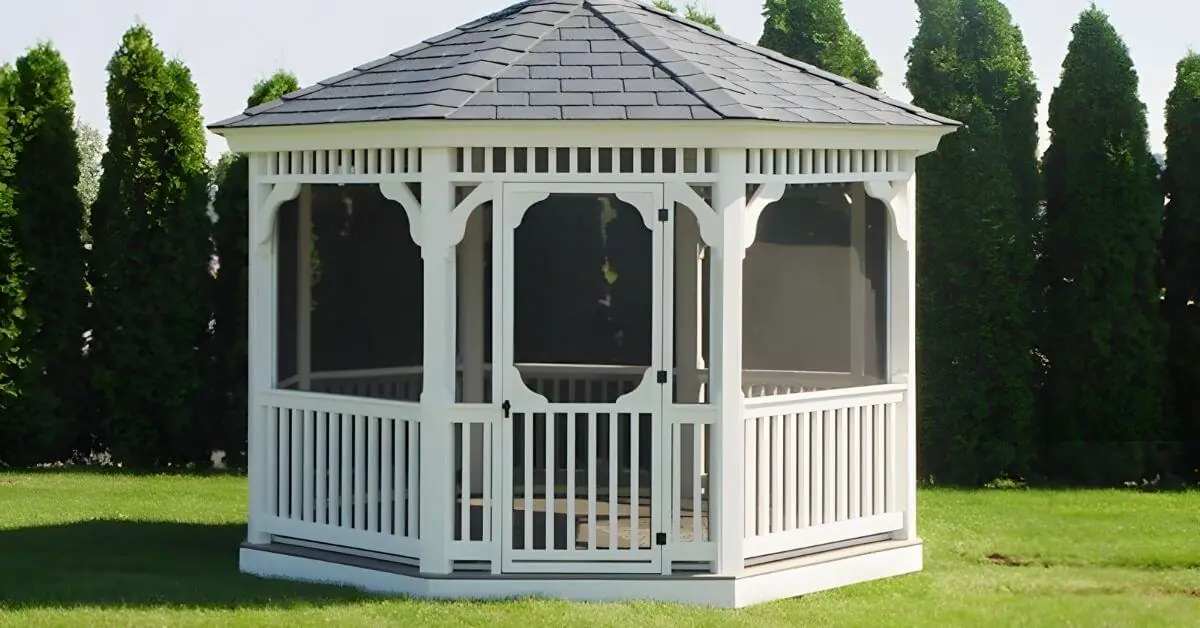
A : Large-Format Porch Screen Replacement in High Winds
A residential property manager replaces weathered fiberglass mesh on a large screened-in porch exposed to strong coastal winds.
-
Constraints: Large span panels susceptible to wind billowing; high-durability pet screen selected due to client requests; restricted workspace on exterior scaffolding.
-
Failure Modes: Failing to install mid-span stiffener bars or cross-bracing, causing the heavy pet screen to bow inward under wind loads and pop out of shallow channels.
-
Second-Order Effects: Constant flapping weakens the aluminum framing joints, dislodges spline corners, and tears the mesh along the aluminum edge within a single season.
-
Optimized Solution: Installing intermediate vertical aluminum support braces, utilizing a thicker spline to lock the stiff pet screen securely, and maintaining balanced tension across smaller panel sections.
B : Historic Double-Hung Window Screen Retrofit
A historic home restoration project requires fabricating custom aluminum screens to fit out-of-square, settling wooden window frames.
-
Constraints: Non-square openings varying by up to half an inch; requirement to preserve historic exterior molding aesthetics; fragile old wood tracks.
-
Failure Modes: Forcing a square screen into an out-of-square opening, resulting in jammed operation or large gaps where insects bypass the barrier.
-
Second-Order Effects: Client frustration, cracked window stops, and chronic insect infiltration despite new material investment.
-
Optimized Solution: Custom-filing frame corners to match the exact angular deviation of each historic opening, using flexible tension springs to accommodate minor track irregularities.
C : Motorized Retractable Screen Installation on a Modern Lanai
An architectural contractor installs a motorized large-span retractable screen over a wide sliding glass door opening.
-
Constraints: Precise electronic limit-switch calibration required; high precision track alignment; heavy wind-lock zipper tracks.
-
Failure Modes: Misaligning side guide tracks by a fraction of an inch, causing the screen zipper edge to jam, bind, or tear during automated retraction.
-
Second-Order Effects: Motor burnout, system jamming, and expensive service callbacks to dismantle structural housing covers.
-
Optimized Solution: Using laser alignment tools to guarantee absolute vertical track parallelism before securing housing units and running electronic calibration cycles.
Planning, Cost, and Resource Dynamics
Financial efficiency in screen fabrication and repair depends on balancing initial material investments against labor waste and frequent maintenance callouts, directly tying into how technicians approach common screen installation mistakes.
Direct vs. Indirect Cost Structures
Direct expenses include rolls of mesh, aluminum extrusions, corner keys, spline rubber, and specialized rolling tools. Indirect expenses—frequently underestimated during initial budgeting—include wasted materials from botched cuts, lost labor hours spent redoing warped frames, service callback travel expenses, and customer dissatisfaction penalties.
Opportunity Cost and Deferred Maintenance Multipliers
Attempting to save time by rushing frame preparation or skipping squareness checks creates massive operational waste. Industry guidelines from fenestration authorities emphasize that a poorly installed screen requires complete re-fabrication rather than simple patching, doubling material and labor costs. Proactive planning preserves profit margins and ensures long-term customer retention.
| Expense Category | Typical Cost Range (% of Total Budget) | Primary Cost Drivers |
| Mesh Fabric Materials | 25% – 40% | Material type (fiberglass, pet screen, solar bronze, stainless steel), roll dimensions |
| Aluminum Extrusions & Corners | 20% – 30% | Profile thickness, finish coating (painted vs. anodized), miter key quality |
| Spline, Hardware, & Consumables | 10% – 15% | Variety of spline diameters, pull tabs, tension springs, corner inserts |
| Labor & Fabrication Time | 30% – 45% | Complexity of custom geometries, technician skill level, framing adjustments |
Tools, Strategies, and Support Systems
Executing a flawless screen installation requires deploying specialized hand tools and framing accessories rather than relying on makeshift household items.
1. Convex and Concave Spline Roller Tools
The primary tool for seating spline. The concave wheel guides the spline into the groove, while the convex wheel tucks the mesh safely into the channel without cutting the threads.
2. Spline Insertion Gauges and Calipers
Measuring existing spline grooves with precision calipers ensures the correct rubber diameter is selected, preventing loose fits or crushed aluminum walls.
3. Framing Square and Clamping Jigs
Maintaining 90-degree frame squareness during assembly is essential. Clamping jigs lock mitered corners in place while corner keys are inserted and crimped.
4. Utility Knives with Fresh Snap-Off Blades
Trimming excess mesh cleanly requires ultra-sharp blades. Dull blades pull and fray mesh fibers, leaving jagged edges protruding from the spline channel.
5. Screen Rolling Tables with Edge Stops
Professional fabrication tables feature built-in square edges and clamping stops to prevent frame movement during high-volume screen assembly.
6. Tensioning Lifts and Spacing Brackets
For large-scale patio or porch screens, mechanical tensioning clamps hold the mesh taut while the technician rolls the spline along extended spans.
Risk Landscape and Failure Modes
Understanding how screen installations fail physically and structurally prevents ongoing service headaches and material waste.
1. Frame Bowing from Excessive Tensioning
Pulling fiberglass or pet mesh too tight acts like a bowstring, pulling the middle of the aluminum extrusion inward and leaving unsightly gaps around the window opening.
2. Mesh Thread Skewing and Waviness
Failing to maintain even, straight pulling pressure across the width of the screen causes warp threads to angle diagonally, creating an annoying visual distortion for anyone looking through the window.
3. Spline Shearing and Mesh Punctures
Using a rolling wheel with too sharp an edge or excessive downward force cuts straight through the mesh threads or slices the rubber spline, ruining the entire panel.
4. Galvanic Corrosion in Multi-Metal Assemblies
Using un-coated steel staples or incompatible aluminum fasteners with copper or bronze mesh sets up electrochemical reactions that rapidly corrode the frame and fasteners.
Governance, Maintenance, and Long-Term Adaptation
Sustaining screen installations over years of weather exposure requires structured maintenance cadences and operational accountability to catch minor wear before full replacement is necessary.
Monitoring Schedules and Audit Cadence
-
Annual Spring Inspection Check: Inspect all window and door screens every spring for loose spline, sagging mesh, or frame corrosion prior to peak insect season.
-
Quarterly Track and Cleaning Audits: Clean mesh surfaces with mild soap and water quarterly; inspect sliding screen tracks and rollers for debris buildup.
-
Post-Storm Integrity Checks: Evaluate patio and porch screen panels immediately after severe windstorms or hail events for impact damage or frame displacement.
Adjustment Triggers and Layered Checklists
Technicians and property managers must establish explicit thresholds for maintenance intervention. If spline begins popping out of the channel in corners, maintenance protocols require immediate re-rolling or spline replacement with a slightly larger diameter cord. Standardized maintenance checklists should verify:
-
Frame squareness and absence of bowing or corner separation.
-
Snug, uniform tension across the entire mesh surface without ripples or sagging.
-
Intact pull tabs, latch hardware, and sliding tension springs.
-
Clear drainage weep holes around window sills to prevent trapped moisture behind screen frames.
Measurement, Tracking, and Evaluation
A professional installation business or property management team evaluates screen fabrication quality and durability through rigorous metric tracking and historical record-keeping.
Leading vs. Lagging Indicators
-
Lagging Indicators: Customer callbacks for loose screens, torn mesh reported within the first year, frame warping complaints, and premature material degradation. These measure historical fabrication failure.
-
Leading Indicators: Precision frame measurement accuracy logs, tool maintenance records, quality control checklist completion rates, and material waste percentages. These metrics predict installation success before delivery.
Documentation Structures
Effective long-term asset management relies on maintaining a permanent, searchable site history file containing:
-
Screen Schedule and Dimension Logs: Detailed architectural measurements for every window and door opening on the property.
-
Material Specification Sheets: Documentation covering mesh composition, UV resistance ratings, and manufacturer warranty terms.
-
Installation and Service Records: Itemized logs tracking fabrication dates, technician names, and any subsequent maintenance adjustments.
Common Misconceptions and Oversimplifications
-
“Screen installation is so simple that anyone can do it without proper tools or training.”
-
Correction: Achieving professional-grade tension and frame squareness requires specialized rolling tools, precise measuring, and careful handling to avoid bowing.
-
-
“Pulling the mesh as tight as humanly possible creates the best, longest-lasting screen.”
-
Correction: Over-tensioning bows the aluminum frame inward, distorts the mesh threads, and often tears the fabric along the spline channel.
-
-
“All rubber splines are universal and fit any aluminum screen frame.”
-
Correction: Spline comes in multiple diameters and hollow/solid profiles; using the wrong size either crushes the frame or leaves the mesh loose.
-
-
“Fiberglass mesh and pet-resistant screen can be installed using the exact same technique.”
-
Correction: Pet screen is significantly thicker and stiffer than standard fiberglass, requiring different rolling pressure, deeper channels, and sometimes specialized wider splines.
-
-
“If a frame is slightly out of square, you can just force it into the window opening.”
-
Correction: Forcing out-of-square frames twists the assembly, causing binding, operational failure, and unsightly gaps that let insects enter.
-
-
“Trimming excess mesh with a dull utility knife is fine as long as it cuts eventually.”
-
Correction: Dull blades pull, fray, and tear mesh threads rather than slicing them cleanly, ruining the professional appearance of the finished edge.
-
-
“Screens require zero maintenance once they are installed in the window frame.”
-
Correction: Accumulated dust, pollen, and UV exposure degrade mesh over time, requiring regular cleaning and periodic spline inspection to maintain tension.
-
Ethical, Practical, or Contextual Considerations
Executing professional screen installation carries practical, economic, and health-related responsibilities. Properly installed insect screens protect building occupants from disease-carrying vectors such as mosquitoes and flies while maintaining natural ventilation. Neglecting proper installation standards results in premature failure, wasted raw materials, and unnecessary environmental landfill waste from discarded screens that could have lasted for decades.
Furthermore, professional craftsmanship requires respecting architectural integrity, especially when working on historic structures where modern aluminum frames must be carefully color-matched or integrated into existing wooden profiles. True editorial and technical integrity requires accepting these operational complexities to ensure that every screen assembly remains functional, durable, and aesthetically refined across generations.
Conclusion
Mastering the intricacies of insect screen fabrication and installation requires disciplined frame preparation, balanced tension control, and meticulous attention to hardware compatibility. By avoiding common pitfalls—such as over-tensioning frames, using incorrect spline gauges, or ignoring frame squareness—installers can achieve professional results that withstand daily wear and environmental exposure. Grounded in rigorous technique and material understanding, avoiding common screen installation mistakes provides an enduring foundation for functional, long-lasting architectural fenestration maintenance.