How to Reduce Rust Buildup on Steel Frames: Expert Guide
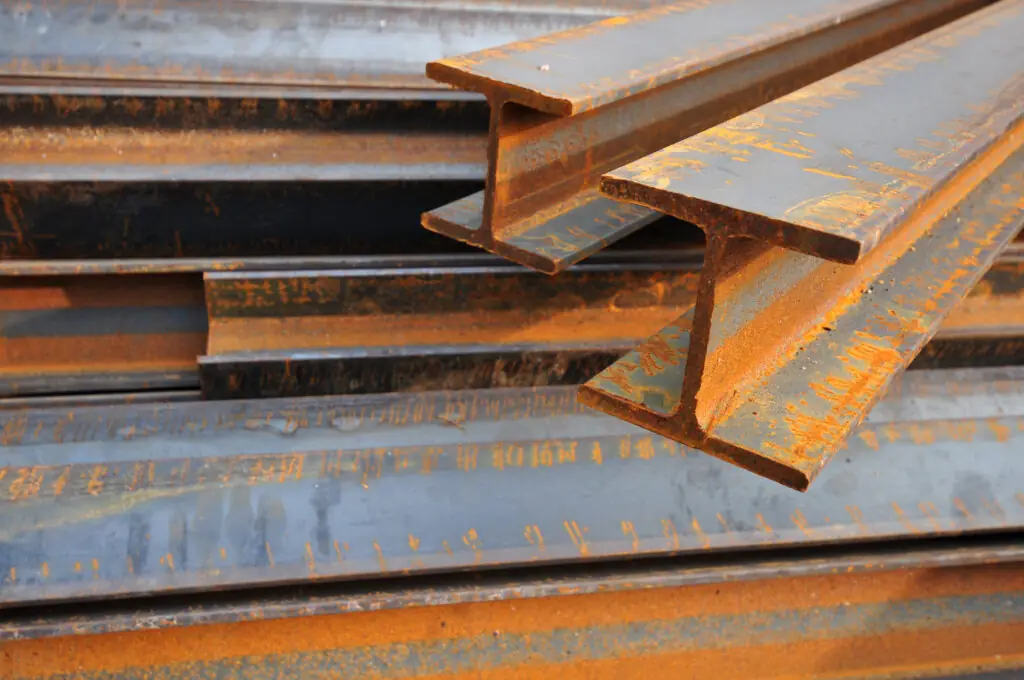
Steel framing forms the structural backbone of modern architecture, industrial infrastructure, and heavy transport engineering. Specifically, because carbon and alloy steels possess exceptional tensile strength, they remain the material of choice for large-scale construction. Yet, this high-performance metal is fundamentally vulnerable to environmental oxidation. When exposed to ambient moisture and atmospheric oxygen, iron atoms within the alloy undergo an electrochemical transformation. Consequently, they revert back to their thermodynamically stable oxide state. Understanding how to reduce rust buildup on steel frames is essential because, left unmitigated, this expansive corrosion flakes away protective layers, compromises cross-sectional thickness, and threatens total structural failure.
The mechanisms driving metallic degradation are rarely uniform or simple. Instead, they involve complex interactions between relative humidity, airborne salinity, industrial pollutants, and micro-galvanic currents set up across dissimilar metal contacts or stress fractures in mill scale. Many property managers and engineers mistakenly assume that a single factory primer coat or a basic paint touch-up provides permanent immunity, ignoring how micro-cracks in coatings permit moisture infiltration.
Addressing these vulnerabilities requires an exhaustive synthesis of metallurgy, surface chemistry, protective barrier design, and environmental engineering. Whether dealing with salt-laden coastal atmospheres, high-humidity industrial interiors, or buried structural footings, each exposure condition dictates a distinct mitigation strategy. Recognizing the systemic nature of oxidation ensures that capital investments in steel infrastructure remain safe, compliant, and durable across decades without succumbing to progressive structural decay.
Understanding “how to reduce rust buildup on steel frames”
The Primary Objectives of Corrosion Control
The primary objective of evaluating how to reduce rust buildup on steel frames is to isolate the environmental, electrochemical, and mechanical factors that drive iron oxidation in structural elements. On unmaintained sites, operators frequently commit critical errors. For instance, they apply heavy protective paints directly over active flash rust or mill scale, trapping moisture and contaminants beneath the coating film. This practice accelerates localized pitting corrosion rather than halting it. Furthermore, a frequent miscalculation involves treating steel as an inert substance that only requires cosmetic sealing. In reality, steel frames act as dynamic conductors of stress and ionic charge.
Electrochemical Reactions and Ionic Factors
Understanding the full scope of how to reduce rust buildup on steel frames requires analyzing the electrochemical cell that forms whenever moisture, oxygen, and an electrolyte bridge meet a steel surface. An anodic reaction dissolves iron into solution. Meanwhile, a cathodic reaction reduces oxygen, forming iron hydroxides that eventually crystallize into rust. When chlorides from road salts or marine environments enter this equation, they dramatically increase electrical conductivity, thereby accelerating the oxidation rate. Additionally, utilizing dissimilar metals—such as fastening aluminum panels to a carbon steel frame without dielectric isolation—triggers galvanic corrosion, rapidly consuming the steel adjacent to the connection point.
Architectural Geometry and Water Traps
Another subtle dimension of how to reduce rust buildup on steel frames involves recognizing the impact of geometry and detailing. Architectural designs that incorporate upward-facing horizontal channels, unsealed overlapping joints, or blind cavities create permanent traps for water and debris. Without incorporating strategic weep holes, drip edges, and smooth transition fillets, even the most expensive multi-coat paint systems will fail prematurely as moisture pools and breaches the coating edge. Comprehensive management demands that remediation and design strategies address both micro-environmental exposure and geometric configuration. For additional technical insights, you can review our guides on hot-dip galvanizing standards and industrial surface preparation protocols.
Deep Contextual Background: The Evolution of Structural Steel Protection
Early Industrial Methods and Limitations
The historical trajectory of structural steel protection reflects a continuous transition from empirical surface coatings toward highly engineered electrochemical barrier systems and alloy advancements. During the early industrial revolution, builders of iron and steel bridges relied heavily on lead-based paints, red lead primers, and animal-fat oils to seal metal surfaces from the atmosphere. While these early coatings offered moderate protection, they lacked molecular adhesion, chemical elasticity, and resistance to modern industrial pollutants. Consequently, they required constant manual scraping and repainting cycles.
The Rise of Synthetic Resins and Galvanizing
As chemical engineering advanced through the mid-twentieth century, the industry shifted away from toxic lead formulations toward synthetic resin binders, including epoxies, polyurethanes, and chlorinated rubbers. Simultaneously, the widespread adoption of hot-dip galvanizing—submerging fabricated steel components into molten zinc—revolutionized corrosion control by introducing sacrificial anode protection. This metallurgical bond ensured that even if the outer zinc layer suffered a scratch, the surrounding zinc would corrode preferentially, protecting the underlying steel matrix from direct oxidation.
Modern Regulations and Multi-Tiered Defense
The contemporary regulatory and environmental landscape has evolved to balance high-performance structural durability with stringent volatile organic compound (VOC) limits and worker safety mandates. Modern engineering standards mandate comprehensive surface preparation grades, high-solid barrier coatings, and advanced cathodic protection networks. Understanding this historical evolution helps modern asset managers recognize that contemporary rust mitigation cannot rely on passive paint layers alone. Instead, it demands a multi-tiered defense strategy combining physical barriers, metallurgical treatments, and environmental moisture management.
Conceptual Frameworks and Mental Models
Navigating the complex interplay of electrochemistry and structural engineering requires robust mental models that translate physical forces into resilient maintenance practices.
1. The Electrochemical Triad
This mental model establishes that atmospheric corrosion requires three simultaneous elements to proceed: an anode, a cathode, and an electrolyte bridge carrying dissolved ions. Removing or blocking any single component—such as eliminating moisture via dehumidification or breaking the ionic path with a dielectric coating—halts the oxidation cycle instantly.
2. The Barrier vs. Sacrificial Dynamic
Coatings operate on two primary principles. Barrier coatings physically block oxygen and water from reaching the steel. Sacrificial coatings provide electrochemical protection, sacrificing themselves to protect the base metal. This model evaluates when to deploy pure physical shielding versus active galvanic defense based on exposure severity.
3. The Crevice and Geometry Vulnerability Index
Water and atmospheric pollutants settle preferentially in tight spaces, bolt patterns, and weld intersections. This model views structural geometry as a primary risk driver, predicting that corrosion will initiate first wherever drainage is obstructed or capillary action draws moisture into narrow gaps.
4. The Coating Lifecycle Horizon
Protective finishes degrade predictably over time through chalking, blistering, UV breakdown, and mechanical abrasion. This model projects the degradation rate of coating systems, emphasizing that proactive touch-ups before substrate exposure are exponentially cheaper than full structural blast-cleaning and recoating.
Key Categories or Variations of Corrosion Control Systems
Different environmental exposures and structural geometries require distinct corrosion control methodologies, directly influencing how facility managers approach how to reduce rust buildup on steel frames.
| Corrosion Control System | Primary Mechanism | Main Application Pitfall | Optimal Operational Context |
| Hot-Dip Galvanizing | Metallurgical zinc-iron alloy bonding providing sacrificial protection | Warping large, thin-walled structural members during high-temperature immersion | Outdoor industrial structures, bridges, and exterior framing exposed to weather |
| High-Performance Epoxy Coatings | Thick barrier film blocking moisture and oxygen permeation | Applying over poorly cleaned steel with residual mill scale or oil contamination | Chemical plants, interior industrial framing, and submerged structural elements |
| Zinc-Rich Primers & Polyurethane Topcoats | Combination of galvanic zinc action and weather-resistant resin sealing | Recoating outside the manufacturer’s designated recoat window, causing delamination | Commercial building exteriors, architectural steel, and transport infrastructure |
| Cathodic Protection (Impressed Current / Sacrificial Anodes) | Direct electrical current polarization or sacrificial block consumption | Failing to maintain electrical continuity across structural joints and splices | Buried steel piles, marine structures, and reinforced concrete-embedded frames |
| Weathering Steel (COR-TEN) | Forming a stable, dense patina oxide layer that inhibits deeper corrosion | Utilizing in environments with persistent high humidity, marine salt spray, or continuous dampness | Dry inland architectural structures, highway bridges, and sculptures |
| Volatile Corrosion Inhibitors (VCIs) | Releasing vapor-phase molecules that form a microscopic protective film on steel | Enclosing spaces without proper vapor barriers, allowing VCI molecules to escape | Enclosed equipment housings, shipping containers, and hollow structural sections |
Strategic Decision Logic for System Selection
-
Evaluate Environmental Aggressiveness: Assess whether the steel frame resides in a benign indoor climate, an aggressive industrial zone, or a corrosive marine atmosphere with high chloride deposition.
-
Determine Accessibility for Future Maintenance: If structural members will be permanently enclosed behind drywall or architectural panels, prioritize ultra-durable initial treatments like hot-dip galvanizing or heavy-duty multi-coat epoxies.
-
Verify Surface Preparation Feasibility: Ensure field conditions permit required abrasive blast cleaning; if blasting is prohibited due to site constraints, select surface-tolerant primers designed for hand-tool cleaned steel.
Detailed Real-World Scenarios and Operational Constraints
Examining actual field conditions illustrates how theoretical corrosion control models adapt to physical and operational realities.
A : Coastal Warehouse with Severe Salt-Spray Exposure
A large structural steel warehouse located 500 meters from a marine coastline exhibits rapid blistering and rust breakthrough on exterior columns.
-
Constraints: Continuous high-velocity salt fog; facility cannot shut down operations for extensive abrasive blasting.
-
Failure Modes: Painting over salt-contaminated steel surfaces without washing away chloride ions, causing the new paint film to blister and peel within months.
-
Second-Order Effects: Pitting corrosion rapidly reduces the effective wall thickness of hollow structural section columns, threatening structural buckling under heavy roof loads.
-
Optimized Solution: Executing high-pressure freshwater washdown with soluble salt remover solutions, power-tool cleaning to remove loose scale, applying a surface-tolerant zinc-rich epoxy primer, and finishing with an aliphatic polyurethane topcoat.
B : Underground Utility Tunnel with Chronic Condensation
A network of steel support frames in a subterranean utility corridor suffers from heavy flaking rust driven by high relative humidity and dripping pipe condensation.
-
Constraints: Confined space safety protocols; poor ventilation; high humidity preventing standard paint curing.
-
Failure Modes: Utilizing standard moisture-sensitive alkyd paints that fail to cure in damp underground conditions, washing away under water drip lines.
-
Second-Order Effects: Structural loss of pipe hangers and support brackets, risking catastrophic detachment of high-pressure utility lines.
-
Optimized Solution: Installing forced-air dehumidification units, removing corrosion via needle gun scalers, and applying moisture-curing urethane mastic coatings designed to displace water and cure underwater.
C : Open-Air Athletic Stadium with Complex Truss Geometries
An outdoor sports stadium featuring exposed tubular steel roof trusses develops rust streaks along welded gusset plates and enclosed joints.
-
Constraints: Extreme height access requirements; intricate geometry with hundreds of tight intersecting weld seams.
-
Failure Modes: Spot-painting visible rust stains while ignoring unsealed internal tube ends and tight crevices where moisture accumulates silently.
-
Second-Order Effects: Internal corrosion inside hollow structural tubes progressing unnoticed until structural perforation occurs from the inside out.
-
Optimized Solution: Sealing all tubular ends with welded-in cap plates, pressure testing for air tightness, injecting internal corrosion inhibitor oils, and applying industrial rope-access abrasive blasting and coating systems.
Planning, Cost, and Resource Dynamics
Financial efficiency in structural corrosion management depends on balancing upfront protective investments against exponentially higher future remediation costs, directly tying into how managers approach how to reduce rust buildup on steel frames.
Direct vs. Indirect Cost Structures
Direct expenses include abrasive blasting media, high-performance coating materials, scaffolding rentals, specialized labor, and containment systems. Indirect expenses—frequently underestimated during initial budgeting—include facility downtime, structural engineering load reassessments, environmental waste disposal fees for old paint, and emergency shoring during structural repairs.
Opportunity Cost and Deferred Maintenance Multipliers
Attempting to save money upfront by specifying low-grade primer paints or skipping proper surface preparation guarantees rapid coating failure. External industry guidelines from structural engineering authorities such as the Forest Products Laboratory emphasize that timely maintenance preserves capital stability and prevents catastrophic capital expenditure spikes.
| Expense Category | Typical Cost Range (% of Total Budget) | Primary Cost Drivers |
| Surface Preparation & Cleaning | 35% – 50% | Abrasive blast method, environmental containment, old coating disposal |
| Coating Materials & Primers | 15% – 25% | Paint chemistry (epoxy, polyurethane, zinc-rich), solids content, dry film thickness |
| Access & Containment Equipment | 20% – 30% | Scaffolding, rigging, boom lifts, rope access teams, dust collection units |
| Quality Assurance & Inspection | 5% – 10% | Dry film thickness testing, adhesion testing, environmental condition monitoring |
Tools, Strategies, and Support Systems
Executing a rigorous corrosion mitigation plan requires deploying specialized tools and diagnostic equipment rather than relying on visual approximations.
1. Surface Profile Gauges and Replica Tape
Measuring the anchor pattern left by abrasive blasting is critical for coating adhesion. Surface profile gauges ensure the steel has been roughened sufficiently to mechanically lock the primer film in place.
2. Electronic Dry Film Thickness (DFT) Gauges
Applying paint without verifying film thickness leads to premature failure. Magnetic DFT gauges verify that each applied layer meets strict engineering specifications without excessive thickness that causes sagging and cracking.
3. Soluble Salt Conductivity Test Kits
In marine or industrial settings, invisible chloride salts remain on steel surfaces after cleaning, drawing moisture through paint films via osmosis. Conductivity kits measure salt contamination levels prior to coating application.
4. Needle Gun Scalers and Rotary Bristle Blasters
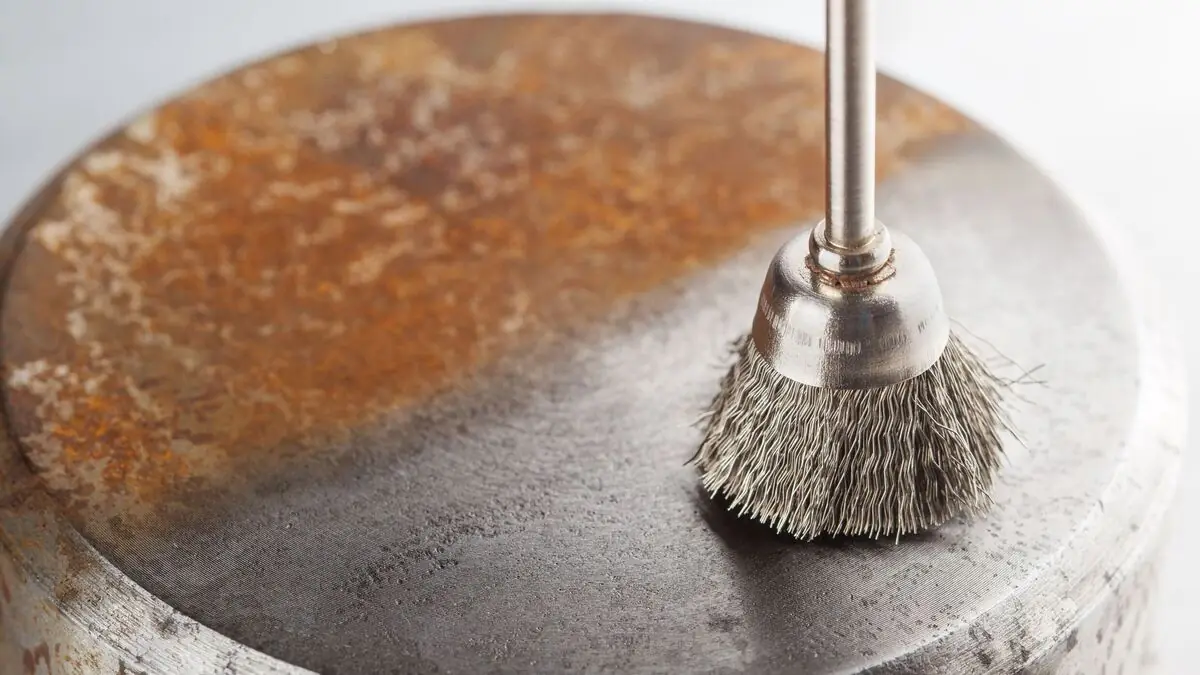
For spot repairs or confined spaces where abrasive blasting is prohibited, pneumatic needle scalers and specialized rotary bristle tools fracture and remove heavy rust scale while creating an acceptable surface profile.
5. Environmental Dew Point Meters
Painting steel when surface temperatures are too close to the dew point causes invisible moisture condensation to form beneath the wet paint film, destroying adhesion. Dew point meters monitor ambient temperature, relative humidity, and steel surface temperature.
6. Airless Paint Sprayers and Multi-Component Mixers
High-performance industrial coatings like 100% solids epoxies have extremely short pot lives and high viscosities, requiring specialized multi-component plural-ratio spray equipment for proper application.
Risk Landscape and Failure Modes
Understanding how steel corrosion mitigation strategies fail prevents misdirected spending and catastrophic structural compromises.
1. Osmotic Blistering from Soluble Salts
Failing to wash chloride or sulfate salts off the steel surface before painting creates microscopic osmotic cells under the coating film, drawing water through the paint and forming massive blisters filled with liquid.
2. Intercoat Delamination Due to Exceeded Windows
Epoxy and polyurethane coatings cure through chemical cross-linking. If an applicator waits too long between coats without abrading the surface, the subsequent layer cannot bond chemically, resulting in sheet delamination.
3. Galvanic Mismatch at Fastener Interfaces
Securing carbon steel framing members with standard stainless steel or brass bolts without insulating washers sets up a severe galvanic couple, accelerating localized section loss around bolt holes.
4. Crevice Corrosion Behind Flashings and Shim Plates
Water entering tight gaps between steel framing and attached architectural cladding becomes oxygen-depleted, creating an aggressive differential aeration cell that destroys the metal unseen.
Governance, Maintenance, and Long-Term Adaptation
Sustaining a rust-free steel structure requires institutional governance, clear operational accountability, and structured inspection cadences to catch coating failures before base metal oxidation begins.
Monitoring Schedules and Audit Cadence
-
Semi-Annual Visual Coating Audits: Inspect all exposed structural steel frames every six months for chalking, rust staining, film cracking, and mechanical impact damage.
-
Annual DFT and Adhesion Sampling: Conduct non-destructive dry film thickness checks and pull-off adhesion tests on high-stress or corrosive exposure zones.
-
Post-Storm and Seismic Inspections: Perform immediate structural audits after severe weather events, earthquakes, or industrial chemical spills to verify coating integrity.
Adjustment Triggers and Layered Checklists
Facility managers must establish explicit thresholds for maintenance intervention. If coating degradation exceeds rust grade ISO Re3 (approximately 1% rusted surface area), maintenance protocols require immediate touch-up painting. Standardized maintenance checklists should verify:
-
Absence of standing water or debris accumulation on horizontal steel channels and base plates.
-
Intact elastomeric sealants around bolted connections and structural joints.
-
Proper drainage operation for roof scuppers and internal downspouts routed near steel columns.
-
Uncompromised dielectric isolation pads between dissimilar metals.
Measurement, Tracking, and Evaluation
A mature asset management program evaluates steel preservation and corrosion resilience through rigorous metric tracking and historical documentation.
Leading vs. Lagging Indicators
-
Lagging Indicators: Visible flaking rust, section loss in load-bearing members, structural sagging, and coating blistering. These measure historical environmental degradation rather than current system defense.
-
Leading Indicators: Periodic dry film thickness logs, coating adhesion pull-test results, environmental chloride contamination trends, and preventive maintenance schedule adherence. These metrics predict potential vulnerabilities before structural damage occurs.
Documentation Structures
Effective long-term asset management relies on maintaining a permanent, searchable site history file containing:
-
Initial Coating Specification Sheets: Manufacturer data sheets, batch numbers, and specified dry film thickness ranges for all applied protective systems.
-
Surface Preparation Test Logs: Blast profile depth measurements and soluble salt test results recorded prior to coating application.
-
Inspection and Maintenance Chronology: Photographic logs and engineering reports tracking coating degradation and localized touch-up work over decades.
Common Misconceptions and Oversimplifications
-
“Painting over light surface rust stops the oxidation process permanently.”
-
Correction: Paint applied over uncleaned rust seals in moisture and active corrosion cells, causing the paint film to lift and flake off within a short timeframe.
-
-
“All structural steel frames require the exact same coating system regardless of environment.”
-
Correction: A coating specification suitable for a dry indoor office environment will fail rapidly in a coastal marine atmosphere or chemical processing plant.
-
-
“Stainless steel or weathering steel never corrodes under any circumstances.”
-
Correction: Weathering steel requires wet-dry cycles to form its protective patina and will corrode continuously if kept permanently wet, while stainless steel can pit in high-chloride environments.
-
-
“Thicker paint is always better for preventing rust.”
-
Correction: Exceeding maximum dry film thickness guidelines causes internal stress, solvent entrapment, mud-cracking, and premature delamination of the coating system.
-
-
“Mill scale provides a great factory primer surface for industrial coatings.”
-
Correction: Mill scale is a brittle iron oxide layer that cracks under stress and detaches from the underlying steel, pulling the overlying paint coating off with it.
-
-
“Galvanized steel cannot be painted or coated.”
-
Correction: Galvanized steel can be successfully painted provided proper surface preparation (such as sweeping blast or wash priming) is performed to ensure mechanical adhesion.
-
-
“Interior steel frames are completely immune to atmospheric corrosion.”
-
Correction: Unconditioned or poorly ventilated warehouses and industrial interiors experience condensation cycles and humidity fluctuations that drive aggressive indoor rusting.
-
Ethical, Practical, or Contextual Considerations
Managing structural steel oxidation carries profound public safety and economic responsibilities. Neglecting corrosion mitigation in public infrastructure, industrial facilities, or commercial buildings introduces catastrophic structural collapse hazards that threaten human life. Professional asset management requires adhering strictly to international standards established by organizations like SSPC (The Society for Protective Coatings) and NACE (International Corrosion Council), ensuring that maintenance budgets prioritize structural safety over short-term cosmetic savings.
Furthermore, environmental stewardship demands responsible execution of surface preparation and coating removal. Old industrial paints often contain hazardous heavy metals like lead and chromium, which require rigorous dust containment and specialized waste disposal protocols to prevent environmental contamination. True engineering and editorial integrity requires accepting these operational complexities to ensure structural assets remain safe, compliant, and durable across generations.
Conclusion
Preserving structural steel frameworks requires rigorous metallurgical understanding, disciplined surface preparation, and unwavering adherence to corrosion control engineering. By avoiding common pitfalls—such as painting over active rust, ignoring micro-environmental salinity, or neglecting complex joint geometries—asset managers can ensure their infrastructure remains structurally resilient against environmental oxidation. Mastered carefully, understanding how to reduce rust buildup on steel frames provides an enduring foundation for safe, durable, and long-lasting structural engineering.