How to Manage Wood Rot in Wooden Gazebos: The Definitive Guide
The architectural preservation of timber garden structures occupies a specialized niche. It sits precisely at the intersection of wood science, pathology, and structural engineering. When property owners and estate managers confront fungal decay in outdoor pavilions, they face a complex biological challenge. Unlike interior structural lumber protected from ambient humidity, wooden gazebos exist in perpetual exposure to wetting cycles, ultraviolet radiation, and soil-borne spores. Therefore, understanding how to manage wood rot in wooden gazebos requires looking past superficial cosmetic repairs. Specifically, we must address the fundamental environmental conditions that enable decay fungi to colonize cellulose and lignin matrices.
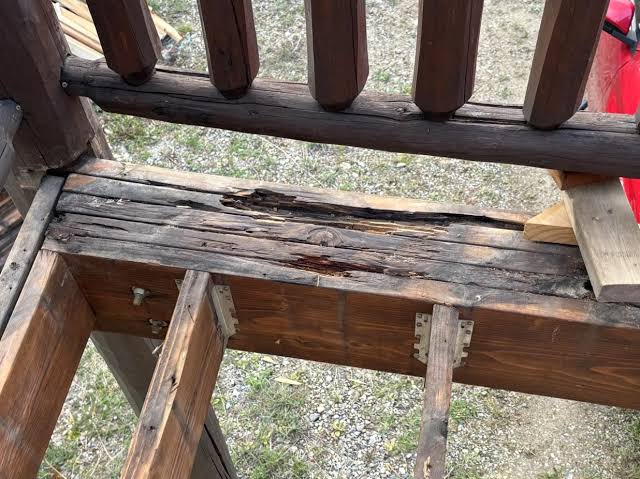
A prevalent error in outdoor timber maintenance is treating decayed wood strictly as a surface blemish. Instead, it is a systemic structural symptom. When decay fungi infiltrate structural posts, top plates, or rafter connections, the wood loses its tensile and compressive strength. This structural loss happens long before visible surface crumbling occurs. Consequently, applying topical wood hardeners over active decay without arresting the underlying moisture source guarantees continued structural degradation. Furthermore, improper repairs—such as encapsulating damp timber in impermeable epoxies—frequently accelerate internal rot. These methods trap moisture inside check cracks, creating an ideal humid incubator for fungal mycelium.
This resource establishes an exhaustive analytical framework for identifying, arresting, and remediating fungal decay in outdoor timber pavilions. By dissecting wood pathology, moisture dynamics, and structural reinforcement techniques, this analysis provides a definitive reference. Ultimately, it guides long-term architectural stewardship for outdoor timber structures.
Understanding “how to manage wood rot in wooden gazebos”
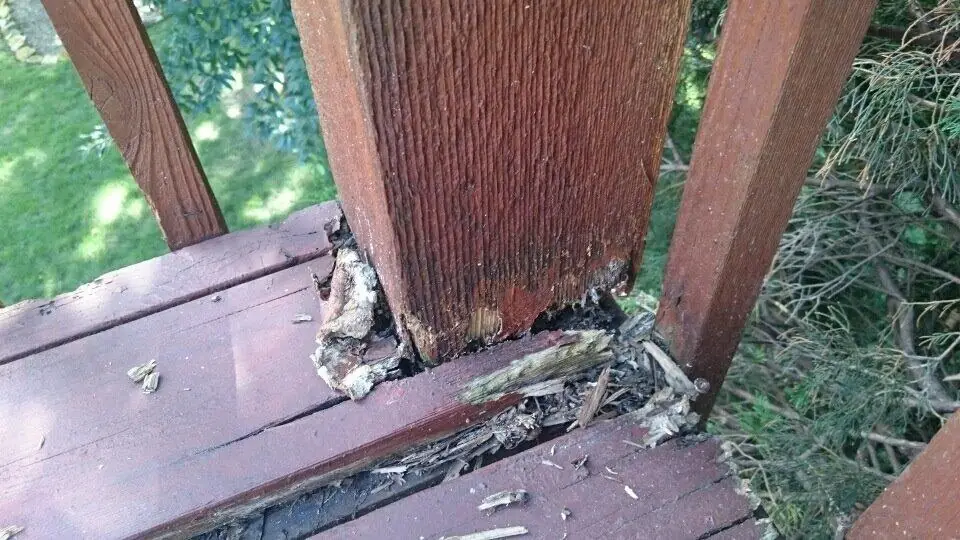
Mastering how to manage wood rot in wooden gazebos requires a comprehensive understanding of environmental thresholds. Specifically, fungi require four elemental conditions to colonize and digest timber. These include oxygen, favorable temperatures, a viable food source, and sustained wood moisture content. Furthermore, this moisture content must exceed the fiber saturation point, typically defined as greater than twenty percent by dry weight. If any single leg of this ecological triangle is systematically disrupted, fungal metabolic activity ceases immediately.
A frequent misunderstanding among property owners is the assumption that factory pressure-treating renders structural lumber permanently immune to decay. While treatments such as alkaline copper quaternary effectively deter insect attack, treated lumber remains vulnerable over decades. For instance, vulnerability increases if end-grain is exposed to standing water, or if persistent condensation pools within joinery pockets. Water always finds a migration path through capillary action and vapor diffusion.
Consequently, oversimplifying remediation by simply carving out soft wood leads to failure. True management involves a staged methodology: diagnostic moisture mapping, structural load isolation, fungal eradication via borate-based treatments, structural member replacement, and detailing architectural flashings. When executed systematically, wood rot management transforms a deteriorating pavilion into a sound architectural asset.
Deep Contextual Background and Evolution of Timber Decay Mitigation
Historically, master carpenters relied on empirical knowledge of timber selection to protect outdoor structures. Builders instinctively utilized naturally durable heartwood species, such as sinker cypress, white oak, and western red cedar. These species contain natural extractives toxic to wood-boring insects. Traditional joinery utilized gravity-shedding angles and raised stone plinths to keep wood posts elevated above damp soil. However, the high labor cost of bespoke carpentry limited their accessibility.
The mid-20th century revolutionized wood preservation with the industrial adoption of pressure-treated lumber. Manufacturers forced chemical preservatives deep into cellular structures under high pressure. While this innovation democratized outdoor wooden construction, it also introduced new challenges. Builders frequently grew complacent, neglecting proper architectural detailing under the false belief that treated wood required no ongoing maintenance.
In contemporary timber preservation, understanding how to manage wood rot in wooden gazebos integrates polymer science and non-destructive diagnostic tools. Modern borate-based diffusible fungicides, structural epoxy consolidation resins, and concealed post-base standoff brackets have replaced crude guesswork. This evolution allows restorers to salvage historic pavilions with minimal intervention while upgrading structural load paths.
Conceptual Frameworks and Structural Mental Models
Analyzing and remediating fungal decay in timber structures requires mental models that account for moisture migration, biological lifecycles, and structural loads.
1. The Moisture Equilibrium and Capillary Migration Model
Wood behaves as a hygroscopic sponge, constantly absorbing and releasing ambient moisture. End-grain timber is exceptionally porous, drawing moisture upward via capillary action at high rates. Therefore, stopping wood rot requires breaking capillary pathways using flashing, end-grain sealers, and air gaps.
2. The Fungal Lifecycle and Trophic Cascade
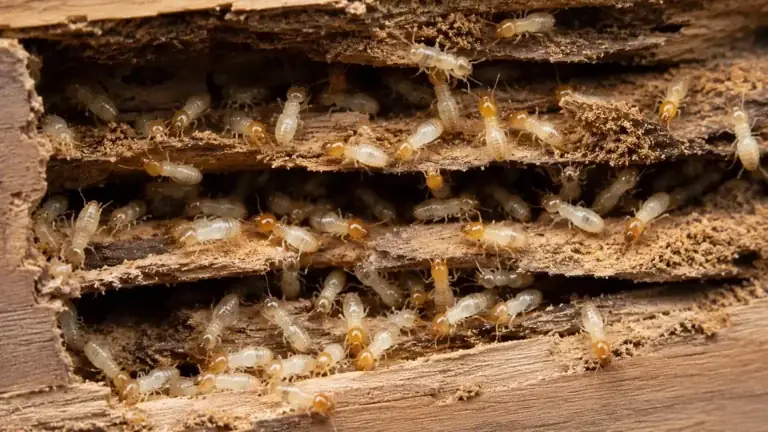
Decay fungi begin as microscopic spores floating in the atmosphere. When encountering damp wood, they germinate into thread-like hyphae. These hyphae secrete extracellular enzymes that break down wood cell walls into simple sugars. Understanding this biological cascade explains why topical surface fungicides applied without drying the interior core fail completely.
3. The Load-Path Isolation and Sistering Continuum
When structural timber loses cross-sectional mass due to decay, its load-bearing capacity drops precipitously. Consequently, the structural mental model requires isolating loads using temporary shoring posts before cutting away decayed wood. Once isolated, the compromised member is either replaced entirely or reinforced via sistering parallel healthy timber alongside the degraded section.
Key Categories, Variations, and Comparative Analysis
Managing decay requires selecting appropriate intervention strategies based on damage severity and wood species. When practitioners evaluate options for how to manage wood rot in wooden gazebos, these distinct operational categories define the primary pathways.
1. Borate-Based Diffusion Treatments
Applying disodium octaborate tetrahydrate solutions to sound wood to penetrate cell walls and eradicate early-stage fungal hyphae.
-
Pros: Highly effective preventative measure; non-toxic to mammals once dry; deeply penetrates damp wood.
-
Cons: Water-soluble; washes out of timber if exposed to ongoing rain without a protective exterior finish.
2. Structural Epoxy Consolidation and Patching
Injecting low-viscosity liquid epoxy resins into semi-degraded wood to rebond cellulose fibers.
-
Pros: Preserves original historic fabric without full timber replacement; restores exceptional compressive strength.
-
Cons: Expensive material cost; trapped moisture behind impermeable patches can accelerate hidden decay.
3. Partial Timber Dutchman Repairs
Cutting out the entirely decayed section of a post and splicing in a precisely fitted matching heartwood replacement piece.
-
Pros: Removes infected tissue entirely; maintains aesthetic authenticity of historic timber.
-
Cons: Requires advanced woodworking joinery skills; labor-intensive execution.
4. Full Structural Member Replacement
Unbolting and replacing entire compromised posts, top plates, or radial roof rafters with pressure-treated stock.
-
Pros: 100% elimination of decay; resets the structural lifespan clock to zero.
-
Cons: Requires complete temporary shoring of the gazebo roof structure; high material investment.
5. Concealed Steel Flitch Plate Reinforcement
Inserting laser-cut steel plates into slotted timber members and bolting them through to bridge decayed zones.
-
Pros: Immense structural load capacity; hides reinforcing steel inside the timber profile.
-
Cons: Steel creates thermal bridging risks; requires precise metal fabrication.
6. Foundation Elevation and Standoff Brackets
Lifting existing wooden posts off concrete slabs and installing heavy-duty galvanized standoff post bases.
-
Pros: Permanently eliminates the primary cause of bottom-post rot; allows free airflow beneath end-grain.
-
Cons: Requires heavy hydraulic jacking equipment; complex labor operation.
Comparative Remediation Strategies Overview
| Remediation Strategy | Structural Recovery | Labor Intensity | Durability Lifespan | Primary Technical Limitation |
| Borate Diffusion Soak | Preventative / Low | Low | 5–10 Years | Leaches out in unsealed wet environments |
| Epoxy Consolidation | Moderate | Moderate | 10–15 Years | Traps moisture if root cause unaddressed |
| Dutchman Joint Splicing | High | High | 20–30+ Years | Requires expert carpentry joinery |
| Full Member Replacement | Maximum | High | 30–50+ Years | Demands temporary roof shoring |
| Standoff Bracket Retrofit | High (Preventative) | Moderate | Permanent | Requires hydraulic lifting equipment |
Realistic Decision Logic
When determining the correct approach to how to manage wood rot in wooden gazebos, damage extent dictates the intervention level. If fungal decay is caught early, borate treatments combined with moisture source elimination are sufficient. However, if decay exceeds 25% of a structural post’s cross-section, partial Dutchman repairs or full member replacement represent the minimum necessary engineering response.
Detailed Real-World Operational Scenarios
Examining concrete operational environments illustrates how timber decay management interacts with physical constraints.
A : Coastal Gazebo with Severe Bottom-Post End-Grain Rot
-
Constraints: High humidity, damp soil splash, and structural posts bolted directly to concrete without standoffs.
-
Decision Points: Epoxies are disqualified because post bases have lost over 50% of their mass. Therefore, the manager must erect temporary shoring, cut the bottom 12 inches off each post, install steel standoff brackets, and splice in cedar Dutchman blocks.
-
Failure Modes: Re-anchoring posts directly to concrete without standoffs causes rapid reinfection within two seasons.
-
Second-Order Effects: Lifting gazebo posts requires careful leveling to prevent warping the radial roof framing.
B : Shaded Woodland Gazebo with Roof Rafter Wet Rot
-
Constraints: Dense overhead tree canopy, leaf accumulation, and fungal fruiting bodies emerging from rafter tails.
-
Decision Points: The roof framing is compromised. Consequently, the team must strip perimeter shingles, remove rotted rafter tails, sister new pressure-treated rafters alongside sound wood, and install extended metal drip edge flashing.
-
Failure Modes: Failing to clear surrounding tree branches leaves the microclimate humid, ensuring reinfection.
-
Second-Order Effects: Modifying roof framing requires matching historic rafter profiles and securing municipal inspection sign-offs.
C : Historic Estate Gazebo with Ornamental Scrollwork Decay
-
Constraints: Intricate Victorian scrollwork brackets suffering from localized soft rot behind decorative trim boards.
-
Decision Points: Full replacement destroys historic fabric. Therefore, conservators must carefully dismantle the scrollwork, dry the wood, inject liquid epoxy consolidants, and re-install with non-contact spacers.
-
Failure Modes: Sealing damp ornamental wood inside impermeable modern paints locks moisture inside, accelerating fungal decay.
-
Second-Order Effects: Precision historic restoration requires specialized artisan labor and higher project budgets.
Planning, Cost, and Resource Dynamics
Executing a comprehensive timber decay remediation project involves balancing direct material expenses against labor, structural engineering, and ongoing maintenance.
Cost Breakdown Dynamics
-
Diagnostic Expenses: Moisture meter mapping, structural engineering assessments, and exploratory probing.
-
Material Costs: Borate solutions, structural epoxy injection resins, replacement timber stock, and stainless steel hardware brackets.
-
Specialized Labor Fees: Professional carpentry, hydraulic lifting equipment rentals, and temporary roof shoring labor.
-
Finishing Costs: Breathable penetrating exterior stains, UV-blocking clear sealants, and waterproof flashings.
Cost Range Reference Matrix
| Project Scope / Remediation Tier | Material & Chemical Cost | Diagnostic & Engineering | Labor & Equipment Rental | Total Intervention Budget Range |
| DIY Borate Soak & Seal Treatment | $100 – $300 | $0 (Self-Assessed) | DIY Time | $100 – $300 |
| Localized Epoxy Consolidation | $250 – $600 | $0 – $200 | $500 – $1,500 | $750 – $2,300 |
| Post Base Standoff & Dutchman Splicing | $500 – $1,200 | $500 – $1,500 | $1,500 – $4,000 | $2,500 – $6,700 |
| Full Structural Member Reconstruction | $1,500 – $4,000 | $1,000 – $2,500 | $3,500 – $9,000 | $6,000 – $15,500+ |
Tools, Strategies, and Support Systems
Executing a successful wood rot remediation project requires specialized diagnostic instruments, chemical tools, and structural hardware.
-
Resistance Moisture Meters: Essential diagnostic instruments used to measure internal wood moisture percentages across structural posts without destructive coring.
-
Borate Solution Applicators: Low-pressure garden sprayers or injection needles used to saturate compromised timber with disodium octaborate tetrahydrate.
-
Low-Viscosity Epoxy Injection Kits: Professional two-part resin systems equipped with mixing nozzles and syringe injectors for deep cellular wood consolidation.
-
Hydraulic Jacks and Shoring Posts: Mechanical lifting equipment required to support roof loads securely during structural post repairs.
-
Oscillating Multi-Tools: Specialized woodworking cutting instruments designed for making clean plunge cuts during Dutchman joint insertions.
-
Stainless Steel Standoff Brackets: Heavy-gauge metal hardware designed to elevate timber post bottoms 1 inch above concrete footings.
-
Boroscope Inspection Cameras: Flexible micro-cameras inserted into drilled access holes to inspect internal hollow core decay.
Risk Landscape and Failure Modes
Understanding structural failure taxonomy in timber remediation prevents catastrophic collapses and recurring fungal outbreaks.
-
Premature Structural Collapse During Shoring: Removing compromised posts or rafters without adequate temporary roof shoring causes sudden structural sagging.
-
Encapsulation Rot Acceleration: Applying impermeable latex paint over damp wood seals moisture inside, accelerating anaerobic fungal decay.
-
Galvanic Corrosion at Fastener Junctions: Using carbon steel screws in contact with preservative-treated lumber in damp environments triggers rapid chemical corrosion.
-
Ignoring Primary Moisture Sources: Replacing rotted timber without correcting roof leaks or direct concrete contact ensures that new wood will rot quickly.
-
Thermal Expansion Shear: Large structural epoxy patches expand and contract at different rates than surrounding wood, causing bond line separation.
Governance, Maintenance, and Long-Term Adaptation
Preserving structural integrity and preventing recurrent decay over decades requires disciplined lifecycle management.
-
Semi-Annual Moisture Audit Protocol: Measure wood moisture content at high-risk junctures using a pin meter twice a year (spring and autumn).
-
Periodic Finish Renewal Cycles: Reapply breathable penetrating oils or water-repellent stains every 2 to 3 years to maintain liquid water shedding.
-
Debris and Vegetation Clearance: Keep surrounding foliage and accumulated leaf litter at least 12 inches away from gazebo base posts to promote air circulation.
-
Layered Maintenance Checklist:
-
Visual check for fungal fruiting bodies or mycelium threads in hidden joinery.
-
Physical probing of suspect timbers using an awl to test for internal softening.
-
Inspection of roof flashing, drip edges, and gutters for blockage.
-
Verification of post base standoff clearances to ensure no soil bridges the air gap.
-
Measurement, Tracking, and Evaluation Metrics
Evaluating the ongoing success of timber decay management and structural remediation relies on quantifiable indicators.
-
Leading Indicators: Wood moisture content readings consistently below 18%, absence of fungal odor, and dry preservative retention logs.
-
Lagging Indicators: Frequency of required epoxy touch-ups, visual paint blistering, and structural deflection measurements.
-
Documentation Frameworks:
-
Timber Health Dossier: Retaining moisture maps, structural engineering repair reports, and photographic logs.
-
Maintenance Log Register: Recording dates of stain reapplication, borate booster treatments, and hardware inspections.
-
Repair History Charts: Documenting exact locations of Dutchman splices and epoxy consolidations for future audits.
-
Common Misconceptions and Technical Oversimplifications
-
Myth 1: Painting rotted wood with oil-based paint stops decay by suffocating the fungi.
-
Correction: Paint traps existing moisture inside the timber, accelerating fungal decay rather than stopping it.
-
-
Myth 2: Pressure-treated lumber is completely immune to fungal attack and never requires protective finishes.
-
Correction: While treated wood resists decay longer, end-grain cuts and persistent moisture leeching render it vulnerable over decades.
-
-
Myth 3: Auto body filler is an acceptable structural repair material for rotted gazebo posts.
-
Correction: Body filler possesses zero structural strength and lacks dimensional compatibility with wood movement.
-
-
Myth 4: If the wood feels dry on a sunny day, the rot process is permanently dead.
-
Correction: Decay fungi can lie dormant during dry periods and reactivate instantly when autumn rains return.
-
-
Myth 5: Applying surface wood hardener restores full structural load capacity to a decayed post.
-
Correction: Wood hardeners bind surface fibers together but cannot replace lost cellulose mass or structural load paths.
-
-
Myth 6: Gazebo posts can be embedded directly into wet concrete if sealed with waterproof paint.
-
Correction: Concrete holds moisture against wood through capillary action, guaranteeing rapid decay regardless of surface coatings.
-
Ethical, Practical, and Environmental Considerations
Managing timber decay in architectural structures involves balancing chemical efficacy with ecological responsibility. Modern borate treatments offer a low mammalian toxicity profile compared to legacy formulations, making them safer for residential gardens. Furthermore, prioritizing targeted timber repair—such as partial Dutchman splicing and epoxy consolidation—over total structural demolition preserves embodied carbon and maintains the authentic historic fabric of handcrafted outdoor pavilions.
Conclusion and Strategic Synthesis
Understanding how to manage wood rot in wooden gazebos requires mastering the complex interplay between wood pathology, moisture dynamics, and structural engineering. Moving beyond superficial cosmetic fillers to diagnose root moisture causes, eradicate fungal hyphae, and restore load paths ensures the long-term structural survival of timber pavilions. By applying rigorous analytical standards and disciplined maintenance protocols, property owners can protect outdoor structures against decay across decades of changing environmental exposure.