Best High End Outdoor Retreats United States: Architectural Guide
The architectural and spatial evolution of high-end seclusion across North American landscapes reflects a profound shift in how modern society defines elite leisure. Over the past few decades, private land development and luxury hospitality have moved away from hyper-urban exclusivity toward immersive natural topography. Consequently, premier open-air enclaves and remote private domains now demand the same level of rigorous master planning, environmental engineering, and capital investment traditionally reserved for primary residential estates. When searching for the best high end outdoor retreats united states, architects and estate planners must navigate complex ecosystems, strict conservation mandates, and severe climatic parameters.
This transformation requires navigating complex ecosystems, strict conservation mandates, and severe climatic parameters. From managing high-altitude alpine weather variations to safeguarding fragile coastal habitats, designing reliable luxury sanctuaries involves high technical stakes. Moving past commercial marketing gloss requires a granular look at infrastructural redundancy, off-grid energy independence, and low-impact civil engineering.
When exploring top-tier wilderness compounds or secluded sanctuaries, researchers frequently encounter superficial lifestyle roundups and generic travel blogs. True authority, however, requires an analytical deconstruction of land tenure, zoning constraints, and sustainable material science. Whether evaluating an isolated compound in the Rocky Mountains or a coastal compound in the Pacific Northwest, long-term asset value relies on structural integrity and ecological synergy.
This analysis deconstructs the structural, operational, and regulatory frameworks that define elite sanctuary design. By establishing a methodical evaluative model, stakeholders can parse the complexities of modern landscape integration. Ultimately, this ensures that large-scale development ambitions align seamlessly with environmental permanence, structural resilience, and absolute spatial privacy.
Understanding “best high end outdoor retreats united states”
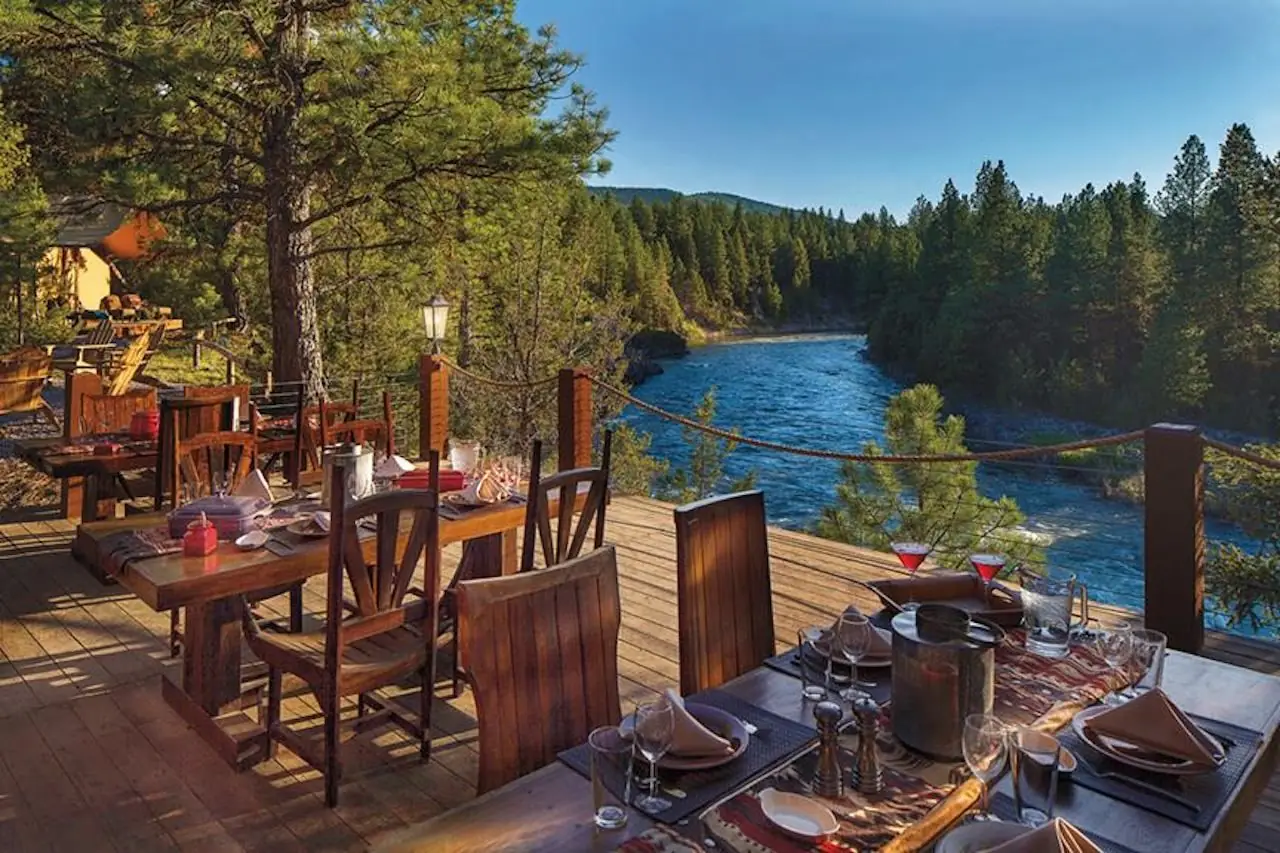
The phrase best high end outdoor retreats united states carries multiple layers of meaning that are frequently flattened in commercial discourse. To casual consumers, the phrase often evokes luxury glamping tents, boutique wilderness hotels, or high-end mountain lodges with concierge services. In contrast, land planners, civil engineers, and estate architects view the terminology as a complex convergence of remote infrastructure, autonomous utility systems, and stringent environmental zoning compliance.
A prevalent misconception is that elite natural sanctuaries can be mass-produced or standardized into turnkey packages regardless of geography. Many assume a luxury prefabricated cabin dropped onto a remote parcel delivers the same experience as a meticulously engineered, site-specific compound. In truth, true architectural and operational excellence accounts for localized soil stability, wildfire defensible space matrices, and watershed protection laws.
Oversimplifying this asset class introduces severe, compounding operational failures. For instance, undersized off-grid solar arrays frequently collapse under extended winter storm conditions, and inadequate wastewater management systems risk contaminating pristine local aquifers. Therefore, evaluating this market requires looking past lifestyle branding and focusing instead on engineering transparency, logistical autonomy, and environmental harmony.
Deep Contextual Background
The lineage of the remote American sanctuary traces a winding path through industrialization, conservation history, and shifting cultural values. Throughout the nineteenth century, the American wilderness was viewed primarily through an extractive lens—a landscape rich in timber, minerals, and agricultural potential. Concurrently, the romantic transcendentalism championed by figures like Henry David Thoreau introduced a counter-narrative, positioning untamed nature as a vital space for intellectual and spiritual renewal.
By the early twentieth century, the establishment of the national park system catalyzed elite interest in rustic yet comfortable wilderness access, leading to the construction of grand park lodges. These early alpine structures combined heavy timber craftsmanship with domestic comforts, setting a historical precedent for high-end rustic architecture.
In the decades following the second half of the twentieth century, the rise of private eco-luxury and conservation-minded real estate redefined the sector. Property owners began acquiring vast tracts of land not for commercial exploitation, but for private preservation and low-density habitation. Simultaneously, advancements in renewable energy storage, satellite communications, and high-performance building envelopes allowed remote sites to achieve unprecedented levels of interior comfort without sacrificing ecological isolation.
Conceptual Frameworks and Mental Models
Evaluating, designing, or acquiring elite remote sanctuaries requires robust analytical models that balance ecological preservation, engineering resilience, and human psychology.
The Autonomy-Accessibility Matrix
This model plots prospective locations across two axes: logistical isolation and technological self-sufficiency. An optimal elite property achieves high operational independence while maintaining safe, reliable emergency egress routes.
The Ecological Carrying Capacity Framework
This mental model evaluates how intensive land use impacts native flora, fauna, and local hydrology. Specifically, it prevents the structural error of over-developing fragile microclimates, ensuring the natural attributes that attracted the investment in the first place are not degraded.
The Infrastructure Redundancy Index
This framework measures critical life-support systems—power generation, water acquisition, waste processing, and communications—against potential systemic failure points caused by severe weather or geographic isolation.
Key Categories or Variations
High-end natural sanctuaries diverge significantly based on geographical typology, structural engineering, and operational philosophy. Understanding these categories prevents costly architectural mismatches.
-
Alpine Timber and Glass Compounds: Engineered heavy timber frames combined with massive triple-paned glass walls, designed to withstand extreme snow loads while framing dramatic mountain vistas.
-
Coastal Maritime Estates: Structurally reinforced compounds situated along rugged shorelines, utilizing marine-grade materials to combat salt-air corrosion and high wind shear.
-
High-Desert Architectural Sanctuaries: Low-profile structures anchored into rock formations, prioritizing thermal mass, passive solar orientation, and complete visual integration with arid topography.
-
Private Working Ranch Reserves: Expansive agricultural acreage paired with luxury residential infrastructure, blending equestrian or conservation activities with high-end hospitality.
-
Island and Waterfront Enclaves: Accessible solely by private watercraft or aviation, requiring entirely self-contained micro-utilities and heavy marine logistics planning.
-
Deep-Forest Biophilic Pavilions: Elevated treehouse-style structures and minimalist pods nestled within dense old-growth canopies, emphasizing minimal ground disturbance.
Sanctuary Typology Comparison
| Category | Primary Environment | Core Engineering Challenge | Primary Utility Strategy | Typical Lifespan |
| Alpine Compound | High-Altitude Mountain | Heavy Snow Loads & Seismic Risk | Grid-tied with heavy generator backup | 75–100+ Years |
| Coastal Estate | Rocky Shoreline / Beach | Salt Corrosion & Wind Uplift | Robust grid infrastructure with wind power | 50–80 Years |
| High-Desert Retreat | Arid Canyons / Mesas | Extreme Thermal Swing & Sun Exposure | Solar arrays with massive battery storage | 60–90 Years |
| Private Ranch | Valley / Grasslands | Vast Acreage Management & Water Rights | Autonomous wells and micro-grids | 100+ Years |
Decision Logic for Category Selection: Project directors must evaluate local climatic extremes before selecting a structural typology. If winter ground snow loads exceed extreme thresholds, heavy timber frame or reinforced steel systems are required over lightweight modular alternatives. For isolated desert parcels, thermal mass concrete and advanced HVAC zoning take precedence to mitigate extreme diurnal temperature shifts.
Detailed Real-World Scenarios
A : High-Altitude Rocky Mountain Compound (Montana)
-
Constraints: Extreme winter snowfall, high seismic activity, risk of interface wildfire, and extended utility outages.
-
Decision Points: Specifying heavy glulam timber framing with structural steel reinforcement; burying primary electrical and water conduits below the local frost line; establishing a 100-foot defensible space perimeter clear of combustible vegetation.
-
Failure Modes: Heavy snow accumulation causing structural roof deflection due to miscalculated pitch angles.
-
Second-Order Effects: Rigorous structural engineering increases initial capital expenditure, but eliminates catastrophic roof collapse risks during historic winter storms.
B : Rugged Pacific Northwest Coastal Estate (Washington)
-
Constraints: Aggressive salt-fog corrosion, high-velocity storm winds, saturated clay soils, and strict shoreline development restrictions.
-
Decision Points: Utilizing 316 marine-grade stainless steel fasteners exclusively; anchoring deep helical piers into stable bedrock layers; implementing advanced rainwater catchment and greywater filtration systems.
-
Failure Modes: Galvanic corrosion compromising exterior structural brackets where dissimilar metals interface.
-
Second-Order Effects: Sourcing corrosion-resistant materials extends maintenance intervals, protecting long-term asset value in harsh maritime environments.
C : Arid Desert Sanctuary (Utah Canyonlands)
-
Constraints: Intense ultraviolet radiation, extreme diurnal temperature swings, flash flood vulnerabilities, and complete absence of municipal utilities.
-
Decision Points: Designing deep roof overhangs for passive solar shading; installing high-capacity photovoltaic arrays paired with lithium-ion battery banks; elevating living quarters above flash flood wash channels.
-
Failure Modes: Battery storage degradation caused by unmanaged extreme ambient summer temperatures.
-
Second-Order Effects: Constructing climate-controlled sub-grade utility vaults protects sensitive electronic infrastructure, ensuring continuous off-grid reliability.
D : Deep Appalachian Forest Retreat (North Carolina)
-
Constraints: High humidity, dense canopies limiting solar gain, sloping topography prone to slope instability, and local black bear activity.
-
Decision Points: Specifying thermally modified hardwoods resistant to fungal decay; installing closed-loop geothermal HVAC systems; utilizing bear-proof commercial waste containment vaults.
-
Failure Modes: Moisture entrapment behind exterior cladding leading to hidden mold proliferation and structural timber rot.
-
Second-Order Effects: Incorporating ventilated rain-screen wall assemblies increases initial construction complexity, yet guarantees long-term envelope durability.
Planning, Cost, and Resource Dynamics
Procuring and developing an elite wilderness sanctuary involves an intricate interplay of direct capital expenditures and hidden logistical costs. Understanding these financial mechanics prevents severe project budget overruns.
Direct Cost Vectors
-
Site Acquisition and Due Diligence: Land surveys, title research, environmental impact assessments, and water rights adjudication.
-
Civil Engineering and Access: Private road grading, bridge construction, culvert installation, and heavy utility trenching.
-
Off-Grid Infrastructure: Commercial-grade solar micro-grids, backup diesel generators, industrial well-drilling, and septic processing plants.
-
Custom Construction: Architectural design fees, specialized freight logistics for remote delivery, and skilled craft labor.
Indirect and Opportunity Costs
-
Logistical Inefficiencies: Extended transit times for building materials and labor crews traveling to remote job sites.
-
Ongoing Asset Management: The requirement for dedicated on-site estate management personnel to oversee maintenance in the owner’s absence.
Cost Variability Matrix (Estimated US Ranges)
| Project Tier | Scope & Specification | Typical Capital Outlay (USD) |
| Tier 1: Managed Wilderness Outpost | Prefabricated luxury modular cabins, standard well/septic, regional access. | $1,500,000 – $3,500,000 |
| Tier 2: Custom Architected Compound | Site-built luxury structures, robust solar micro-grid, engineered access road. | $4,000,000 – $10,000,000 |
| Tier 3: Bespoke Legacy Estate | Fully autonomous master-planned compound, helipad, advanced water rights. | $12,000,000 – $35,000,000+ |
Tools, Strategies, and Support Systems
Developing and managing a high-end remote property requires professional-grade technological tools and logistical frameworks.
-
Geographic Information Systems (GIS): Advanced mapping software used by planners to analyze slope stability, solar trajectories, and watershed boundaries.
-
LiDAR Topographical Scanning: Airborne laser scanning utilized to generate high-resolution 3D terrain models for precise road and foundation placement.
-
Satellite-Based Communications Arrays: Starlink and dedicated enterprise satellite links providing redundant high-speed data transmission in remote areas.
-
Automated Remote Monitoring SCADA Systems: Centralized software dashboards tracking real-time power generation, water tank levels, and security perimeters.
-
Geotechnical Soil Mechanics Testing: Comprehensive laboratory testing determining bearing capacity and drainage characteristics prior to foundation engineering.
-
Helicopter Logistics Coordination: Specialized freight planning tools for transporting heavy construction materials to road-inaccessible parcels.
Limits: Advanced digital monitoring tools cannot substitute for physical winterization inspections and routine mechanical servicing by trained technicians.
Risk Landscape and Failure Modes
The creation and habitation of isolated luxury properties introduce distinct risk vectors that can compromise personal safety and capital investment if unaddressed.
Complete Utility Isolation and Power Failure
-
Mechanism: Extended severe weather events cutting off fuel deliveries and solar production, leading to total loss of heating and water pumps.
-
Mitigation: Multi-tiered redundancy combining solar generation, wind turbines, dual propane/diesel generators, and large battery banks.
Wildfire Ingress and Defensible Space Failure
-
Mechanism: Rapidly moving wildfire igniting surrounding brush and transmitting embers directly to vulnerable roof structures.
-
Mitigation: Enforcing strict non-combustible landscaping perimeters, metal roofing, and automated exterior sprinkler suppression systems.
Watershed Contamination and Wastewater Failure
-
Mechanism: Leachate migration from failing septic systems into private water wells, causing severe biological contamination.
-
Mitigation: Advanced aerobic treatment septic units and deep-well casing isolation paired with regular laboratory water testing.
Access Road Washout and Structural Isolation
-
Mechanism: Heavy rainfall or spring snowmelt causing severe soil erosion, collapsing private access bridges or mountain roads.
-
Mitigation: Engineered concrete culverts, rip-rap retaining walls, and maintaining secondary all-terrain vehicle egress routes.
Governance, Maintenance, and Long-Term Adaptation
Preserving the structural integrity and operational readiness of an elite remote property requires disciplined governance and systematic maintenance protocols.
Seasonal Operational Cycle
-
Spring Transition: Clearing winter debris, servicing backup generators, inspecting water catchment filters, and testing emergency communication relays.
-
Winter Preparation: Draining non-essential exterior water lines, stocking emergency generator fuel reserves, and verifying snow-load clearing contracts.
Adaptation Triggers
-
Climate Variability Shifts: Increasing frequency of severe drought requiring the installation of supplementary underground cistern storage.
-
Technological Obsolescence: Upgrading aging solar inverter hardware and battery chemistry every ten to fifteen years to maintain peak efficiency.
Maintenance Verification Checklist
-
[ ] Conduct biannual water purity laboratory assays for coliform and heavy metals.
-
[ ] Inspect structural roof trusses and snow-stop brackets before winter freeze.
-
[ ] Test automated fire suppression pumps and defensible space water manifolds.
-
[ ] Verify integrity of backup generator fuel storage tanks for leaks or condensation.
-
[ ] Check access road drainage culverts for organic blockages prior to rainy seasons.
Measurement, Tracking, and Evaluation
Assessing the ongoing performance and viability of a remote sanctuary requires tracking both quantitative technical metrics and qualitative experiential signals.
Leading Indicators of Asset Health
-
Consistent battery state-of-charge curves during peak winter utility loads.
-
Zero structural displacement or foundation shifting across seasonal temperature swings.
-
Uninterrupted remote telemetry data transmission from automated property sensors.
Lagging Indicators of Maintenance Efficacy
-
Complete absence of mechanical breakdowns during critical weather emergencies.
-
Stable or appreciating property asset valuation within regional luxury real estate markets.
-
Preservation of pristine local environmental conditions without soil or water degradation.
Documentation Examples
-
Infrastructure Master Ledger: A comprehensive digital register documenting every electrical conduit, water line depth, and septic layout.
-
Mechanical Service Log: A chronological tracking database recording generator hours, filter replacements, and software updates.
-
Environmental Compliance Record: Documentation confirming adherence to local conservation easements and watershed protection limits.
Common Misconceptions and Oversimplifications
-
Misconception 1: “Remote properties require zero municipal interaction or zoning oversight.”
-
Correction: County planning departments, state environmental agencies, and federal land bureaus enforce strict regulations regarding building permits, septic design, and water rights.
-
-
Misconception 2: “Modern solar technology makes off-grid living completely effortless.”
-
Correction: Solar energy production drops precipitously during winter storms and heavy cloud cover, requiring careful energy rationing or robust fossil-fuel backup.
-
-
Misconception 3: “Prefabricated luxury cabins eliminate the need for custom site engineering.”
-
Correction: Factory-built modules must still be anchored to site-specific engineered foundations capable of withstanding local seismic, wind, and snow loads.
-
-
Misconception 4: “Deep wilderness parcels are naturally secure against intrusion.”
-
Correction: Isolation creates unique security vulnerabilities, necessitating sophisticated remote surveillance, automated gates, and satellite-linked alarm systems.
-
-
Misconception 5: “Natural spring water on-site is safe to drink without heavy filtration.”
-
Correction: Unfiltered surface or spring water frequently contains agricultural runoff, wildlife pathogens, and heavy minerals requiring industrial purification.
-
-
Misconception 6: “Building materials used in urban environments perform equally well in alpine or coastal zones.”
-
Correction: Harsh mountain UV radiation and coastal salt fog rapidly degrade standard commercial building materials, necessitating specialized marine-grade or heavy-timber specifications.
-
Ethical, Practical, or Contextual Considerations
Developing private sanctuary infrastructure across vulnerable North American landscapes requires balancing personal privacy with ecological stewardship. Large-scale private land modification can disrupt migratory wildlife corridors, fragment native forest ecosystems, and strain regional water tables. Consequently, ethical property development prioritizes conservation easements, dark-sky lighting compliance to protect nocturnal wildlife, and architectural forms that recede visually into the surrounding topography. Recognizing that true luxury in the twenty-first century is defined by ecological harmony rather than imposing scale ensures that elite private retreats endure as balanced, responsible additions to the American landscape.
Conclusion
The realization of an elite wilderness sanctuary demands the synthesis of advanced civil engineering, rigorous environmental science, and meticulous logistical planning. Moving past surface-level luxury marketing reveals that the true foundation of any premier retreat lies in its infrastructural redundancy, material honesty, and deep respect for natural topography. By approaching remote property development with analytical discipline, owners ensure their investment functions as a permanent, self-sustaining architectural legacy.